|
|
||||||||||||||||||||||||||||||||||||||||||||||||||||||||||||||||
|
|
|||||||||||||||||||||||||||||||||||||||||||||||||||||||||||||||||
|
Siting a micro hydro installation requires an initial 'study' of the site, the watershed,
the stream/water way hydology, the habitat and the an initial indication of how the power is to be used.....all of which go
into a preliminary design that will meet some basic objectives and the least resistance during permitting by D.E.P. There are three broad classes
of water-powered electric generation devices:
Technically speaking wave machines are also hydro energy,
but at this stage mostly experimental. To
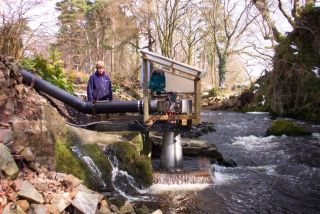
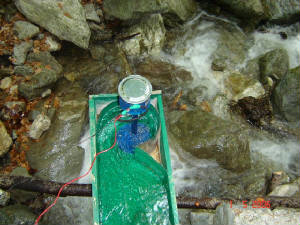
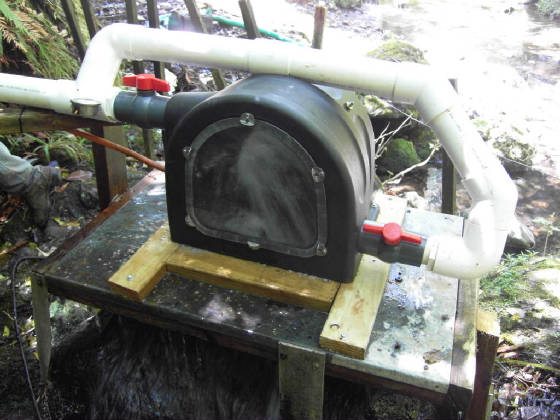
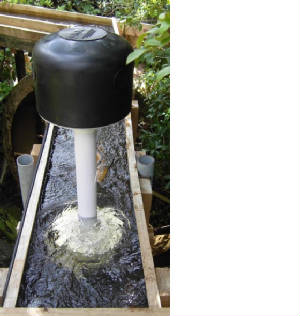
extract the energy from moving water or stored water under pressure, involves diverting it into the turbine, under or through
the waterwheel/turbine and then reuniting it with the waterway. Each
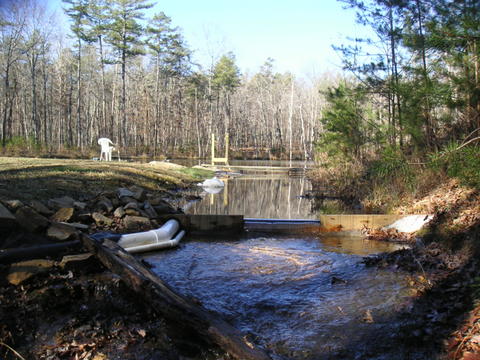
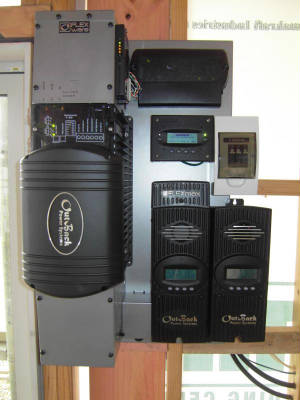
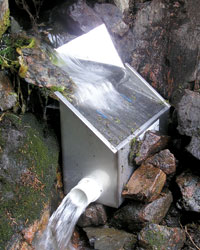
design has it's own characteristics; and then you have the electrical connection. At best you have a pipe filled with water that runs into a small generator shed
and produces ample +3 KW of electricity, reliably throughout the year at a cost of only a few thousand dollars or less. This means a pay back in a few years making microhydro the 'Greenest'
and least expensive alternative energy modality. In
most cases, a well designed microhydro installation can improve the waterway by straining out invasive species, removing silt
and debris,and oxygenating the water. A well designed installation will also seperate out migrating fish and eels and preserve
the migratory pathways.
|
|
||||||||||||||||||||||||||||||||||||||||||||||||||||||||||||||||
|
|
|
||||||||||||||||||||||||||||||||||||||||||||||||||||||||||||||||
|
|
|||||||||||||||||||||||||||||||||||||||||||||||||||||||||||||||||
|
|
|||||||||||||||||||||||||||||||||||||||||||||||||||||||||||||||||